you position:Home > us stock market live > us stock market live
Graph of Us Stock Market Leverage: Understanding the Dynamics
 myandytime2026-01-19【us stock market today live cha】view
info:
The stock market is a complex entity, where investors use various strategies to maximize returns. One such strategy is leveraging, which involves using borrowed capital to increase investment returns. This article delves into the graph of US stock market leverage, exploring its dynamics, risks, and potential benefits.
What is Stock Market Leverage?
Stock market leverage refers to the use of borrowed funds to invest in the stock market. It amplifies both gains and losses, making it a double-edged sword. Investors can leverage their investments to increase potential returns, but they also risk losing more than their initial investment.
Understanding the Graph of US Stock Market Leverage
The graph of US stock market leverage provides valuable insights into the level of borrowing and investment in the market. It showcases the relationship between leverage and market performance, highlighting key trends and patterns.
Rising Leverage: A Sign of Market Optimism
Over the past few years, the graph of US stock market leverage has shown a gradual increase. This trend can be attributed to several factors:
- Low-interest rates: Low-interest rates encourage borrowing and investment, as the cost of capital is relatively low.
- Confidence in the market: Investors are optimistic about the future of the stock market, leading to increased leverage.
- Access to easy credit: The availability of credit has made it easier for investors to leverage their investments.
The Risks of Leverage
While leverage can amplify gains, it also increases the risk of significant losses. Here are some key risks associated with stock market leverage:
- Market downturns: If the market takes a downturn, leveraged investors may face margin calls and forced liquidations, leading to substantial losses.
- High interest rates: Rising interest rates can increase the cost of borrowing, making it more difficult for leveraged investors to maintain their positions.
- Liquidity issues: In times of market stress, liquidity can become scarce, making it difficult for leveraged investors to exit their positions without incurring losses.
Case Study: The 2008 Financial Crisis
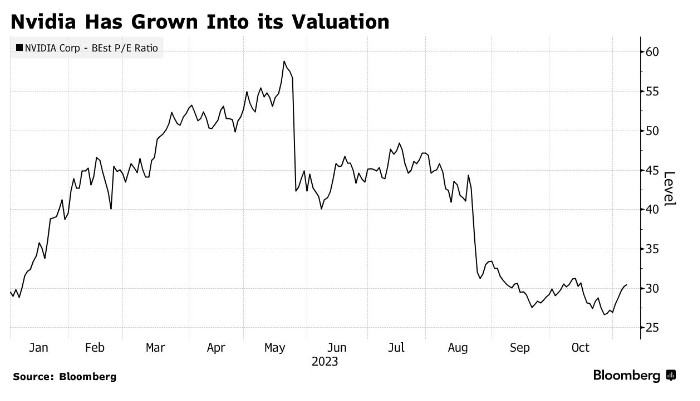
One of the most significant examples of the risks associated with stock market leverage is the 2008 financial crisis. Many investors had leveraged their investments in the real estate market, leading to a massive bubble. When the bubble burst, leveraged investors faced substantial losses, contributing to the broader financial crisis.
The Benefits of Leverage
Despite the risks, leverage can be a valuable tool for investors looking to maximize returns. Here are some potential benefits:
- Increased returns: Leveraging investments can amplify gains, allowing investors to achieve higher returns.
- Access to more opportunities: Leverage can provide investors with access to larger investment opportunities that they may not have been able to afford otherwise.
- Tax advantages: Leverage can offer tax advantages, as interest payments on borrowed capital may be tax-deductible.
Conclusion
The graph of US stock market leverage provides valuable insights into the dynamics of the market. While leverage can be a powerful tool, it also comes with significant risks. Investors must carefully consider the potential benefits and drawbacks before deciding to leverage their investments.
so cool! ()
last:Title: Understanding Shell Stock Symbol: US Insights
next:nothing
like
- Title: Understanding Shell Stock Symbol: US Insights
- US Stock Exchange Gold Prices: A Comprehensive Guide
- Stock Market Reaction to U.S. Government Shutdown in October 2025
- Title: "Unlocking Profit Potential: Top US Gas Pipeline Stocks to Watch&
- CATL Stock Price in US Dollars: What You Need to Know
- Today's Top Momentum US Stocks: Unveiling the Market's Stars
- Free Us Stock Screener: Your Ultimate Tool for Investment Success
- Top US Stock Picks for 2015: A Strategic Guide to Investment Success
- US Small Cap Stocks Performance 2025: A Comprehensive Outlook
- Understanding Canadian Trading US Stocks Tax Implications
- Foreigners Investing in US Stock Market: Opportunities and Considerations
- How to Buy Raspberry Pi Stock in the US: A Comprehensive Guide
hot stocks
 Title: "Best Performing US Stocks: To
- Title: "Best Performing US Stocks: To"
- Silver Spot Prices: A Comprehensive Guide to U"
- Best Cheap US Stocks: Discover Hidden Gems for"
- Unlocking Potential: The Rise of Cannabis Stoc"
- Momentum Stocks: A 5-Day Performance Review in"
- Himalaya Capital: A Deep Dive into Their US St"
- Sprint US Stock: The Ultimate Guide to Investi"
- The Future of the U.S. Stock Market: Trends an"
recommend
 Graph of Us Stock Market Leverage: Understandi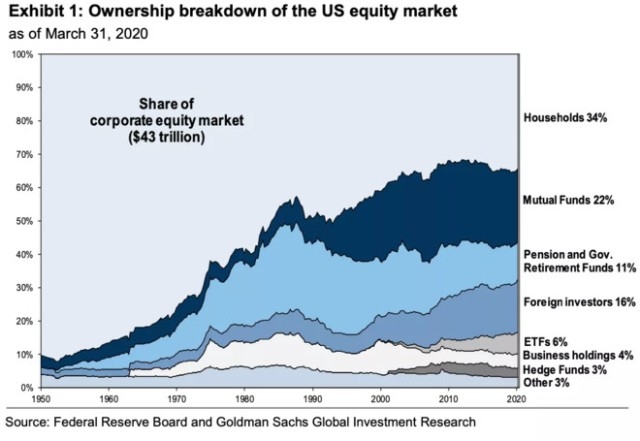
Trade US Stocks from Malaysia: Your Ultimate G

Title: "Percentage of US Population w

Top Performing US Stocks Past 5 Days: July 202

Historical Returns: A Comparative Analysis of
How Are US Stocks Doing Today?
Unlock Your Financial Potential with US Stock
Is Tomorrow a US Stock Market Holiday? Everyth
ASX vs US Stocks: A Comprehensive Comparison f
Stock Image Join Us: Unlock the Power of Visua
Maximizing Growth with MGM US Stock: A Compreh

tags
-
AllegedNon-USOpenHolidaysDelekSmallPurchaseBYDEarthClosedGoldEssentialCanTomorrowLNGChineseComprehensUnderstaGrowingRareFuturesAprilHolSchwabManyJonesDefinitiofromIndianMFCDaysTotalFoodSixth-GenerBogleheFallCitizensNintendoDidListTimings100verutodshareamerican10miniliveShausaTarCleanasdaqequityratioTraPriLucrRegSmarspreadHoldingToOptCom2022UnveilinaverageUndertodayFuCorreTradETPharmacequantitativeGaFuturSustainaAvGuidWhisBroadcFindLloanEarningcolacoca us stocks games silver etf us stock
like
- How the US Dollar Impacts the Stock Market"
- Henry Us Survival Rifle Stocks: The Ultimate G"
- Best US Nuclear Energy Stocks: A Comprehensive"
- Toys "R" Us Stock Position: "
- Maximizing Growth with MGM US Stock: A Compreh"
- Unlocking the Potential of Chevron US Stocks: "
- Can a Non-US Citizen Buy Stocks in the United "
- Title: "Is Today a US Stock Market Ho"
- Total Number of Trades Per Year on US Stock Ex"
- The US Stock Market in the 1930s: A Decade of "