you position:Home > new york stock exchange > new york stock exchange
Close Chart: Mastering Financial Analysis and Investment Decisions
 myandytime2026-01-23【us stock market today live cha】view
info:
In the fast-paced world of finance, the ability to interpret and close a chart is a crucial skill for both professionals and individual investors. A close chart refers to a detailed and comprehensive analysis of financial data, typically presented in the form of graphs or charts. This article delves into the importance of mastering this skill, the tools and techniques used, and real-world examples that illustrate the impact of a well-closed chart.
Understanding the Basics
Before diving into the intricacies of closing a chart, it's essential to understand the basics. A close chart typically includes key data points such as the opening price, highest price, lowest price, and closing price of a security over a specific period. This information is used to gauge market trends, identify potential opportunities, and make informed investment decisions.
Tools and Techniques
To effectively close a chart, investors and analysts rely on a variety of tools and techniques. Here are some of the most common:
- Technical Analysis: This involves studying historical market data to identify patterns and trends. Tools like moving averages, trend lines, and oscillators are commonly used to analyze the data.
- Fundamental Analysis: This approach focuses on evaluating the intrinsic value of a security by analyzing financial statements, economic indicators, and other relevant factors.
- Chart Patterns: Recognizing chart patterns such as head and shoulders, triangles, and flags can provide valuable insights into market dynamics.
Real-World Examples
Let's look at a few real-world examples to understand the impact of a well-closed chart:
- Apple Inc. (AAPL): In early 2020, Apple's stock experienced a significant drop due to the COVID-19 pandemic. However, a well-closed chart would have shown that the stock had formed a bullish reversal pattern, indicating a potential buying opportunity.
- Tesla Inc. (TSLA): Tesla's stock has been highly volatile over the years. A close chart would have revealed several support and resistance levels, helping investors to identify entry and exit points.
Best Practices
To master the art of closing a chart, here are some best practices to keep in mind:
- Consistency: Regularly reviewing and updating your charts can help you stay informed about market trends and changes.
- Risk Management: Use stop-loss orders and position sizing to protect your investments.
- Continuous Learning: Stay updated with the latest tools, techniques, and market trends to enhance your analysis.
Conclusion
Closing a chart is a skill that requires practice, patience, and a deep understanding of financial markets. By mastering this skill, investors can make more informed decisions and increase their chances of success. Whether you're a seasoned professional or a beginner, taking the time to learn how to close a chart can be a valuable asset in your investment journey.
so cool! ()
last:Is the US Stock Market Collapsing?
next:nothing
like
- Is the US Stock Market Collapsing?
- Dow Jones Trend Today: What You Need to Know About Market Movements
- Does TradeLocker Support US Stocks? A Comprehensive Guide
- Fidelity Total US Stock Index: A Comprehensive Guide to Understanding and Investi
- Major US Airline Stocks Drop as Jefferies Downgrades Ratings
- Dow Jones Industrial Average: A Journey Through Time"
- Unlocking the Potential of the Stock Market Com: A Comprehensive Guide
- Dow Jones & Co: The Pioneers of Financial News and Information
- Daily Life Inside an US Navy Aircraft Carrier: A Glimpse of Maritime Majesty
- Are Markets Open Today in USA? A Comprehensive Guide
- May 3, 2025: US Stock Market Summary
- What Did the Dow End At? A Comprehensive Analysis of the Stock Market's Clos
hot stocks
 HSBC US Stock Trading Fees: What You Need to K
- HSBC US Stock Trading Fees: What You Need to K"
- Top Momentum Stocks in the US Market August 20"
- Unlocking Opportunities with US Small Value St"
- Shionogi Stock US: A Comprehensive Analysis of"
- Unlocking the Potential of Barclays Bank US St"
- American Stock Traders Outside the US: Opportu"
- Understanding DJIA Pre-Market Futures: A Compr"
- ACB US Stock Price Today: Current Trends and A"
recommend
 Close Chart: Mastering Financial Analysis and
The End is Nigh for Us Stocks? A Deep Dive int
US Hospital Stocks: A Comprehensive Guide to I

Dai Stock in US Dollars: A Comprehensive Guide

Best Aggressive US Stocks to Buy: Your Guide t

DJIA Updates: Stay Ahead in the Stock Market w

Uber US Stock: A Comprehensive Analysis of the

BP Stock Price in US Dollar: A Comprehensive A
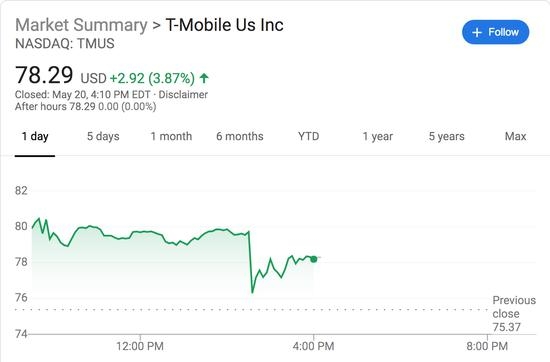
Stock Market Today: Key Insights and Analysis&

US Krag Rifle Stock: The Ultimate Guide to Enh
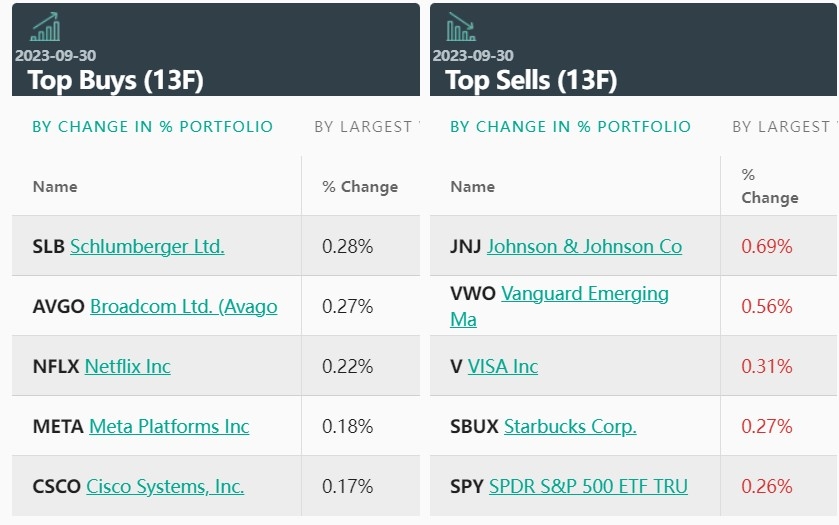
Why the Market is Down Today: Key Factors to C

tags
-
AllegedNon-USOpenHolidaysDelekSmallPurchaseBYDEarthClosedGoldEssentialCanTomorrowLNGChineseComprehensUnderstaGrowingRareFuturesAprilHolSchwabManyJonesDefinitiofromIndianMFCDaysTotalFoodSixth-GenerBogleheFallCitizensNintendoDidListTimings100verutodshareamerican10miniliveShausaTarCleanasdaqequityratioTraPriLucrRegSmarspreadHoldingToOptCom2022UnveilinaverageUndertodayFuCorreTradETPharmacequantitativeGaFuturSustainaAvGuidWhisBroadcFindLloanEarningcolacoca us stocks silver etf games us stock
like
- Unlock the Power of Stock Screener US: Your Ul"
- Top Stocks of the US Market: Unveiling the Bes"
- "US Stock Futures for 1/25/2019: Key "
- Transfer Stock Ownership in Canadian ULC to US"
- Title: Top US FMCG Stocks to Watch in 2023"
- New IPO US Stocks: Top Picks for Investors in "
- Stock Market Historical Graph: Decoding the Pa"
- Dow Jones Performance Year to Date: Unveiling "
- How to Invest in European Stocks from the US: "
- Best Infrastructure Stocks in the US: Top Pick"