you position:Home > new york stock exchange > new york stock exchange
Dow Jones Industrial Average: A Journey Through Time"
 myandytime2026-01-23【us stock market today live cha】view
info:
The Dow Jones Industrial Average (DJIA), often simply referred to as the Dow, is one of the most iconic and widely followed stock market indices in the world. It represents the performance of 30 large companies listed on the New York Stock Exchange (NYSE) and the NASDAQ. This article delves into the fascinating history of the Dow Jones Industrial Average, highlighting key milestones and developments that have shaped its trajectory over the years.
The Birth of the Dow
The Dow Jones Industrial Average was created on May 26, 1896, by Charles Dow, a journalist and statistician. It was the first index to provide a comprehensive measure of the stock market and quickly gained popularity among investors. Initially, the Dow included 12 companies, which represented various sectors such as manufacturing, mining, and transportation.
Evolution and Expansion
Over the years, the Dow has evolved and expanded to reflect the changing landscape of the economy. In 1916, the number of companies included in the index was increased to 20. This expansion aimed to provide a more accurate representation of the market. In 1928, the Dow was further expanded to include 30 companies, the composition that remains today.
One of the most significant changes to the Dow occurred in 1999, when the index added its first technology company, Intel, to reflect the growing importance of the tech sector in the U.S. economy. This marked a shift in the composition of the Dow, as it began to include more diversified sectors beyond traditional industries.
Key Milestones
The Dow has seen several notable milestones throughout its history. In 1929, the Dow reached an all-time high of 381.17, only to plummet in the infamous Black Tuesday of October 29, 1929, marking the beginning of the Great Depression. This event underscored the volatility of the stock market and the importance of diversified portfolios.
Another significant milestone occurred on October 11, 2007, when the Dow reached an all-time high of 14,164.53. However, this record was short-lived, as the financial crisis of 2008 sent the Dow plummeting to 6,547.05 by March 9, 2009. This dramatic fall served as a stark reminder of the risks involved in investing in the stock market.
Performance and Analysis
The performance of the Dow over the years has been subject to various analyses. Some experts argue that the index's performance can be a bellwether for the overall health of the U.S. economy. Others contend that the Dow's composition of 30 companies makes it less representative of the broader market.
Despite the debates, it's clear that the Dow has been a vital tool for investors and analysts alike. Its long history of tracking the stock market's performance has provided valuable insights into market trends and economic cycles.
Conclusion
The Dow Jones Industrial Average has played a pivotal role in shaping the way investors perceive and interact with the stock market. From its humble beginnings to its current status as a global benchmark, the Dow has been a testament to the resilience and adaptability of the U.S. economy. As we continue to navigate the complexities of the modern financial landscape, the Dow remains an essential reference point for those seeking to understand the pulse of the stock market.
so cool! ()
last:Unlocking the Potential of the Stock Market Com: A Comprehensive Guide
next:nothing
like
- Unlocking the Potential of the Stock Market Com: A Comprehensive Guide
- Dow Jones & Co: The Pioneers of Financial News and Information
- Daily Life Inside an US Navy Aircraft Carrier: A Glimpse of Maritime Majesty
- Are Markets Open Today in USA? A Comprehensive Guide
- May 3, 2025: US Stock Market Summary
- What Did the Dow End At? A Comprehensive Analysis of the Stock Market's Clos
- JP Morgan Warns Us: Stock Market Dilemma Looms Ahead
- Stock Futures: A CNBC Deep Dive
- What Time Do Stocks Close? Understanding the Stock Market Closing Hours
- Foreigner Buy US Stock: A Comprehensive Guide for International Investors
- Top 1000 US Stocks by Market Cap: A Comprehensive Guide
- Stock Market Asia Today: A Comprehensive Overview
hot stocks
 HSBC US Stock Trading Fees: What You Need to K
- HSBC US Stock Trading Fees: What You Need to K"
- Top Momentum Stocks in the US Market August 20"
- Unlocking Opportunities with US Small Value St"
- Shionogi Stock US: A Comprehensive Analysis of"
- Unlocking the Potential of Barclays Bank US St"
- American Stock Traders Outside the US: Opportu"
- Understanding DJIA Pre-Market Futures: A Compr"
- ACB US Stock Price Today: Current Trends and A"
recommend
 Dow Jones Industrial Average: A Journey Throug
"US Historical Stock Return: A Deep D
The Three Major US Stock Index Valuations Are
Unlocking the Treasure Trove: A Comprehensive
Market Expectation on Monday: What to Look Out
Hunting Stock for Us Model 1903 Springfield Ri
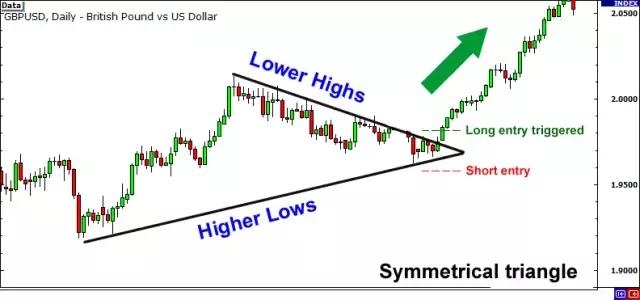
Difference Between Us Stock Exchanges: A Compr
Dow Jones US Total Stock Market Index ETF: A C
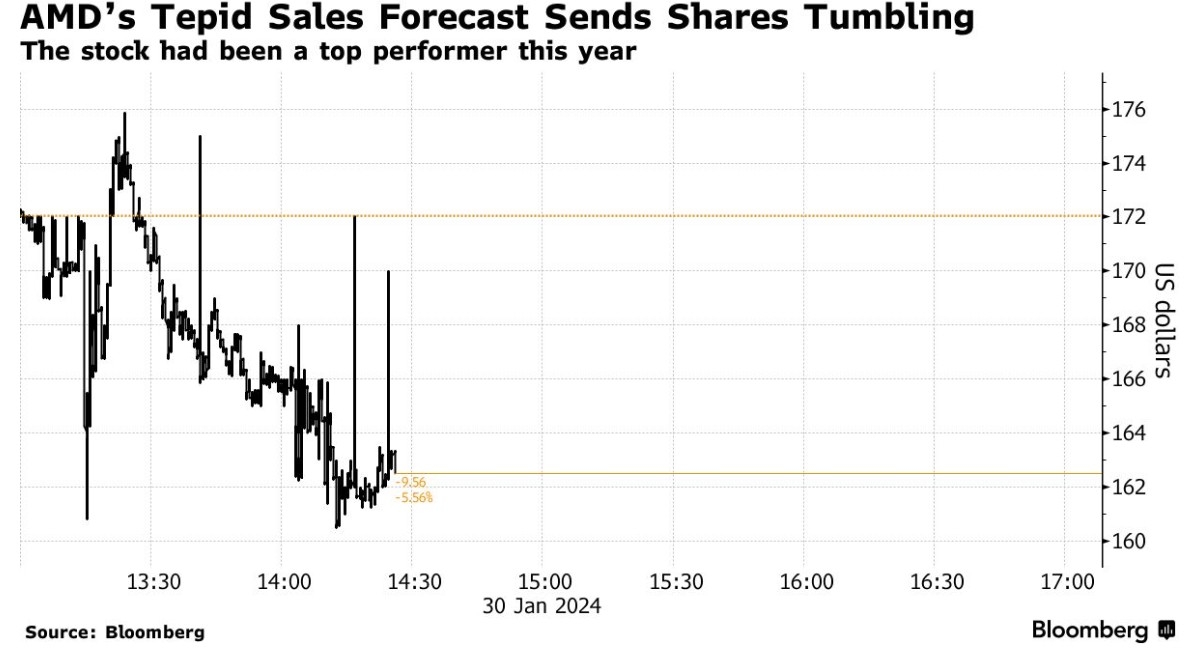
Best Stock Chart: Mastering Market Analysis fo

Dow Jones Industrial Average Tracker: Your Ult
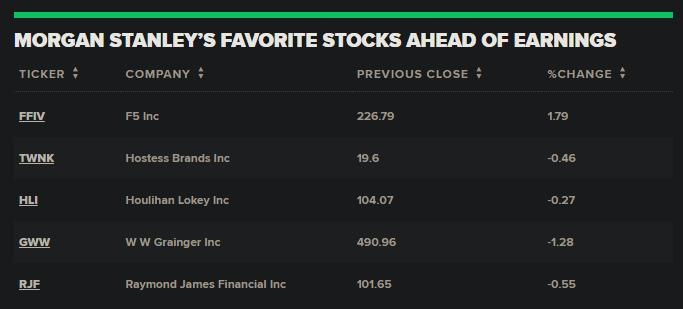
"Unveiling the Power of the S&

tags
-
AllegedNon-USOpenHolidaysDelekSmallPurchaseBYDEarthClosedGoldEssentialCanTomorrowLNGChineseComprehensUnderstaGrowingRareFuturesAprilHolSchwabManyJonesDefinitiofromIndianMFCDaysTotalFoodSixth-GenerBogleheFallCitizensNintendoDidListTimings100verutodshareamerican10miniliveShausaTarCleanasdaqequityratioTraPriLucrRegSmarspreadHoldingToOptCom2022UnveilinaverageUndertodayFuCorreTradETPharmacequantitativeGaFuturSustainaAvGuidWhisBroadcFindLloanEarningcolacoca us stocks silver etf games us stock
like
- Swiss Sovereign Wealth Fund's Impact on U"
- S and P 500 Highest: Unveiling the Top Perform"
- Understanding Global Market Indexes: Key to In"
- Stock Performance Today: US Market Completion "
- Highest Dividend Stocks in the US: Unveiling t"
- Best US Stocks to Buy in June 2025: Analyst Re"
- Can TFSAs Hold U.S. Stocks? A Comprehensive Gu"
- Delivery Volume Scanner: Unveiling the US Stoc"
- Unlocking the Potential of PG US Stock: A Comp"
- US Large Cap Growth Stocks: Your Guide to Inve"