you position:Home > us stock market today live cha > us stock market today live cha
Stock Market Sell-Off: Navigating the Volatility and Opportunities
 myandytime2026-01-23【us stock market today live cha】view
info:
In the ever-evolving world of finance, a stock market sell-off can be a daunting experience for investors. However, understanding the reasons behind these downturns and learning how to navigate through them is crucial for long-term success. This article delves into the factors that trigger a stock market sell-off, the impact on investors, and strategies to capitalize on the opportunities that arise during such turbulent times.
Understanding Stock Market Sell-Offs
A stock market sell-off refers to a rapid and significant decrease in the value of stocks, often leading to panic selling and market instability. Several factors can trigger a sell-off, including economic data releases, geopolitical events, corporate earnings reports, and changes in interest rates.
1. Economic Data
Economic indicators, such as GDP growth, unemployment rates, and inflation, can significantly impact investor confidence. For instance, if the GDP growth rate slows down or unemployment rises, it may signal a weaker economy, causing investors to sell off their stocks.
2. Geopolitical Events
Geopolitical tensions, such as trade wars or political instability, can also lead to a stock market sell-off. Investors may become concerned about the potential impact on the global economy, prompting them to liquidate their investments.
3. Corporate Earnings Reports
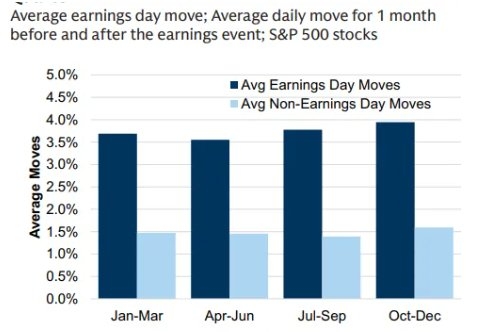
When companies release disappointing earnings reports, investors may lose faith in their stocks, leading to a sell-off. Additionally, downward revisions to earnings estimates can also trigger sell-offs.
4. Changes in Interest Rates
Central banks, such as the Federal Reserve, may raise interest rates to control inflation. This can lead to increased borrowing costs for companies, which can, in turn, impact their profitability and investor sentiment.
Impact on Investors
A stock market sell-off can have a significant impact on investors, both emotionally and financially. Here are some key considerations:
- Emotional Impact: Many investors may feel anxious or fearful during a sell-off, leading to impulsive decisions that could result in further losses.
- Financial Impact: A sell-off can lead to significant capital losses, especially if investors panic and sell their stocks at rock-bottom prices.
Strategies to Navigate a Stock Market Sell-Off
While a stock market sell-off can be a challenging time, there are strategies investors can use to navigate through it:
- Stay Calm and Patient: Emotions can run high during a sell-off, but staying calm and patient is crucial. Avoid making impulsive decisions based on fear or panic.
- Review Your Portfolio: Assess your portfolio to ensure that it aligns with your investment goals and risk tolerance. Consider rebalancing your portfolio if necessary.
- Diversify Your Investments: Diversification can help reduce the impact of market volatility on your investments.
- Seek Professional Advice: If you are unsure about how to navigate a stock market sell-off, it may be beneficial to seek advice from a financial advisor.
Case Study: The 2008 Financial Crisis
One of the most significant stock market sell-offs in history occurred during the 2008 financial crisis. The crisis was triggered by the collapse of the housing market, which led to a credit crunch and a global financial crisis. The S&P 500 index lost more than 50% of its value from its peak in October 2007 to its low in March 2009.
However, investors who stayed patient and diversified their portfolios were able to recover their losses over time. In fact, the S&P 500 index has since exceeded its pre-crisis highs, illustrating the importance of long-term investing during turbulent times.
In conclusion, a stock market sell-off can be a challenging experience for investors. However, understanding the reasons behind these downturns and learning how to navigate through them is crucial for long-term success. By staying calm, diversifying your investments, and seeking professional advice, you can navigate the volatility and capitalize on the opportunities that arise during a stock market sell-off.
so cool! ()
last:i Market Live: Revolutionizing E-commerce with Real-Time Engagement
next:nothing
like
- i Market Live: Revolutionizing E-commerce with Real-Time Engagement
- SandP 500 Stock Price: Trends, Analysis, and Future Outlook"
- Unlocking the Power of Market Money: A Comprehensive Guide
- Liquidation Stock US: Uncovering the Hidden Gems of Liquidation Sales
- Toys R Us Stock Position: A Comprehensive Analysis
- Dow Jones Industrial Average Current Price: Key Insights and Analysis
- Are Foreign Stocks Better Than US Stocks Right Now?"
- Cannabis and Stock Trading in the US: A Growing Market Opportunity
- Stocks Open Lower on Trump Concerns Ahead of US
- Boeing Stock: A Comprehensive Analysis of the US Aviation Giant's Performanc
- Drop Stock Market: Understanding the Implications and Strategies
- Future SP 500: Predictions and Opportunities for Investors
hot stocks
 Unlocking Potential: Exploring US Small Cap Bi
- Unlocking Potential: Exploring US Small Cap Bi"
- Top US Stock to Buy: Unveiling the Ultimate In"
- "5 Crucial Things to Know Before Trad"
- Can Indian Citizens Trade in the US Stock Mark"
- US Bank Corp Stock Price Today: Key Insights a"
- US Made L1A1 Stock Set: The Ultimate Upgrade f"
- Best Performing US Stocks Past 5 Days: Momentu"
- Top 10 Dividend Stocks in the US: Secure Your "
recommend
 Stock Market Sell-Off: Navigating the Volatili
Dow Jones Average: A Decade-by-Decade Analysis
Mastering the Art of Fiancance: A Comprehensiv

Unlocking the Potential of Chanel Stocks: A Co
Maximize Your Stock Value with Mat Us: A Compr
"How Many Stocks Are on the US Stock

Dow Tesla Stock: The Intersection of Electric
2023 US Credit Rating Downgrade: Stock Market
Liquidation Stock US: Uncovering the Hidden Ge
Best Performing US Stock Sectors in July 2025:
Stock Market Outlook: July 2025 in the US

tags
-
AllegedNon-USOpenHolidaysDelekSmallPurchaseBYDEarthClosedGoldEssentialCanTomorrowLNGChineseComprehensUnderstaGrowingRareFuturesAprilHolSchwabManyJonesDefinitiofromIndianMFCDaysTotalFoodSixth-GenerBogleheFallCitizensNintendoDidListTimings100verutodshareamerican10miniliveShausaTarCleanasdaqequityratioTraPriLucrRegSmarspreadHoldingToOptCom2022UnveilinaverageUndertodayFuCorreTradETPharmacequantitativeGaFuturSustainaAvGuidWhisBroadcFindLloanEarningcolacoca us stocks silver etf games us stock
like
- Toys "R" Us Stock: A Journey"
- IG Trading Adds US Stocks: A Game-Changer for "
- Thai Agro Energy PCL US Stock Symbol: A Compre"
- "Unlocking the Secrets of US Stock Ch"
- Unlocking the Potential of US Stocks with Degi"
- US FAANG Stocks: The Powerhouse of Tech Invest"
- Trade US Stocks from Poland: A Comprehensive G"
- Can Canadians Invest in the US Stock Market?&a"
- Understanding US Government Stocks and Bonds: "
- Margin Debt in the US Stock Market: A Comprehe"