you position:Home > us stock market today live cha > us stock market today live cha
Drop Stock Market: Understanding the Implications and Strategies
 myandytime2026-01-23【us stock market today live cha】view
info:
In the volatile world of the stock market, the term "drop" refers to a significant decline in stock prices. This article delves into the causes, implications, and strategies for navigating a dropping stock market. Whether you're a seasoned investor or a beginner, understanding the dynamics of a "drop stock market" is crucial for making informed decisions.
Understanding Stock Market Drops
A stock market drop can be triggered by various factors, including economic downturns, political instability, or even unexpected corporate news. Economic indicators, such as rising unemployment rates or inflation, can lead to a drop in stock prices. Additionally, political events, such as elections or trade disputes, can create uncertainty and cause investors to sell off their stocks.
Implications of a Stock Market Drop
The implications of a stock market drop can be far-reaching. For investors, it can lead to significant financial losses. Retirement portfolios, college funds, and other long-term investments can be negatively impacted. Moreover, a drop in the stock market can have a ripple effect on the broader economy, leading to reduced consumer confidence and spending.
Strategies for Navigating a Drop Stock Market
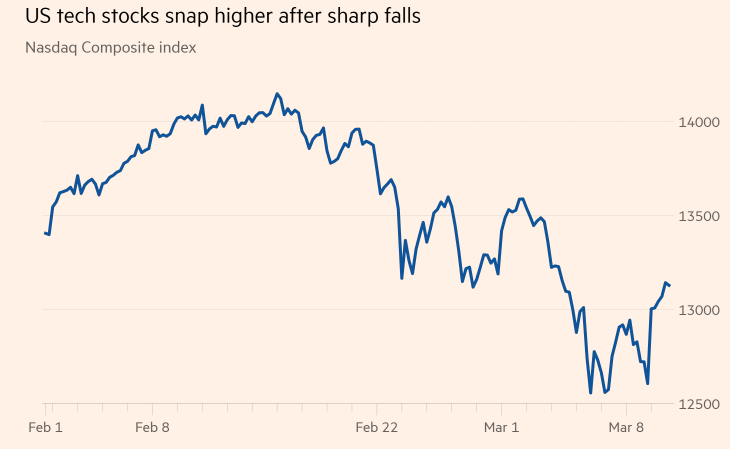
Diversify Your Portfolio: Diversification is key to mitigating the impact of a stock market drop. By investing in a variety of assets, including stocks, bonds, and real estate, you can reduce your exposure to any single stock or sector.
Stay Calm and Invest Wisely: It's natural to feel anxious during a stock market drop. However, staying calm and making rational decisions is crucial. Avoid making impulsive decisions based on emotions.
Review Your Investment Strategy: A stock market drop is an opportunity to rebalance your portfolio and align it with your long-term goals. Consider adjusting your asset allocation to ensure it aligns with your risk tolerance.
Consider Dividend Stocks: Dividend stocks can provide a steady income during a market downturn. These stocks tend to hold their value better than non-dividend-paying stocks.
Use Stop-Loss Orders: A stop-loss order can help protect your investments by automatically selling a stock if it falls below a certain price. This can help limit your losses.
Case Study: The 2008 Financial Crisis
One of the most significant stock market drops in history occurred during the 2008 financial crisis. The crisis was triggered by the collapse of the housing market and the subsequent failure of several major financial institutions. The stock market dropped by nearly 50% from its peak in 2007 to its trough in 2009.
During this period, investors who remained calm and followed a disciplined investment strategy were able to weather the storm. Those who panicked and sold off their stocks at the bottom of the market missed out on the subsequent recovery.
Conclusion
A drop in the stock market can be a challenging time for investors. However, by understanding the causes, implications, and strategies for navigating a drop stock market, you can make informed decisions and protect your investments. Remember to diversify your portfolio, stay calm, and review your investment strategy regularly.
so cool! ()
last:Future SP 500: Predictions and Opportunities for Investors
next:nothing
like
- Future SP 500: Predictions and Opportunities for Investors
- Car Us Stock: Maximizing Vehicle Value with Smart Inventory Management"
- Can U.S. Investors Buy Samsung Stock? A Comprehensive Guide
- Dow Jones Week Chart: A Comprehensive Guide to Understanding Market Trends
- JP Morgan Warns Us Stocks Are in a Frothy Market
- Is Us Foods a Good Stock? A Comprehensive Analysis
- Current Wall Street Numbers: The Latest Trends and Predictions
- Can People in Other Countries Buy US Stocks?
- Is China Stock Market Open Today?
- Today's NASDAQ Stocks: A Deep Dive into Market Trends
- Stock Market Rallies: Understanding the Dynamics and Opportunities
- Unlocking the Day High: Maximizing Profits in the Stock Market
hot stocks
 Unlocking Potential: Exploring US Small Cap Bi
- Unlocking Potential: Exploring US Small Cap Bi"
- Top US Stock to Buy: Unveiling the Ultimate In"
- "5 Crucial Things to Know Before Trad"
- Can Indian Citizens Trade in the US Stock Mark"
- US Bank Corp Stock Price Today: Key Insights a"
- US Made L1A1 Stock Set: The Ultimate Upgrade f"
- Best Performing US Stocks Past 5 Days: Momentu"
- Top 10 Dividend Stocks in the US: Secure Your "
recommend
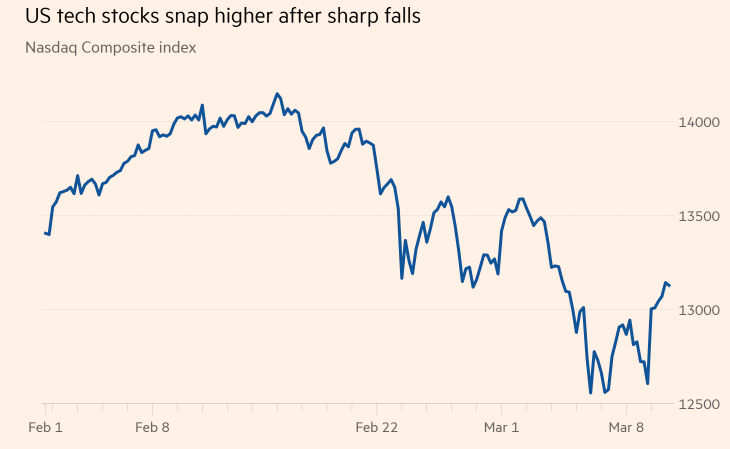 Drop Stock Market: Understanding the Implicati
Construction Stocks: A Smart Investment in the
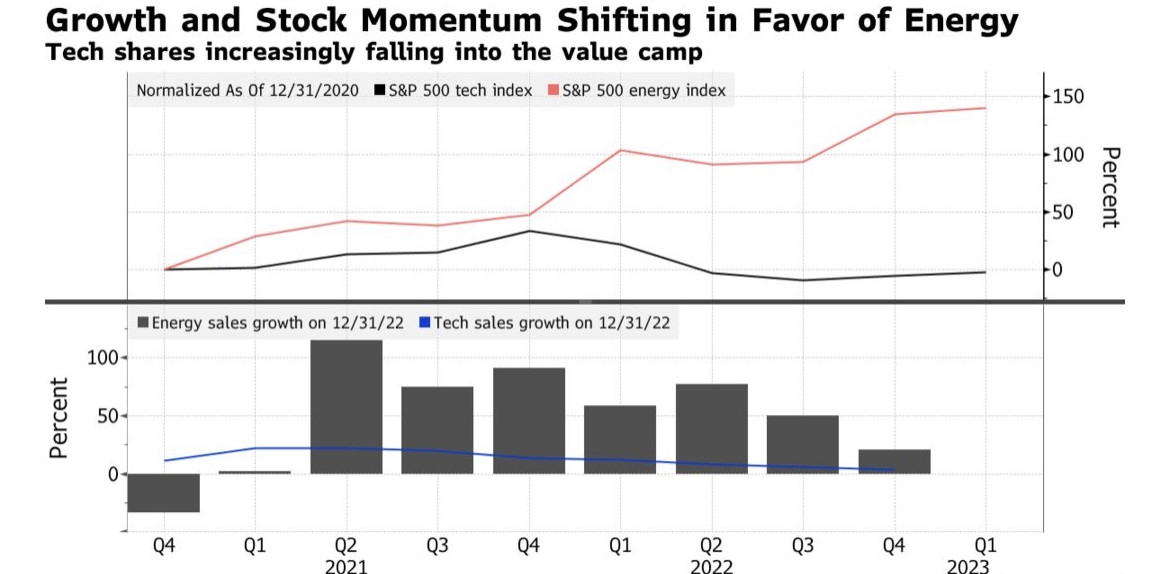
Unlocking the Potential of MDT: A Deep Dive in

Screener Alternative for US Stocks: Revolution

New Toys "R" Us Stock: Unvei
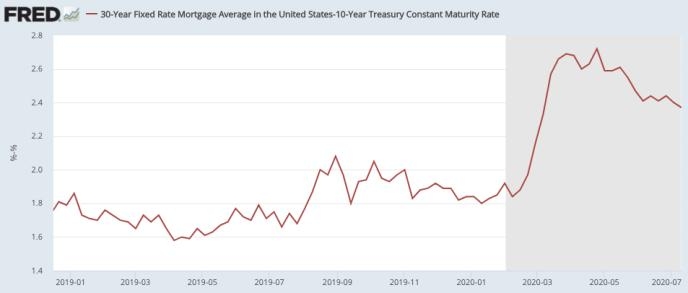
Can We Trade in US Stocks from India?
Maximize Profits with Pre Stock: A Strategic G
How Can I Trade in the US Stock Market from In
Unveiling the Power of US Stock Data: Insights
Anthem Blue Cross-US Healthcare Stocks: A Comp
US Steel Stock Price Target: What Analysts Are

tags
-
AllegedNon-USOpenHolidaysDelekSmallPurchaseBYDEarthClosedGoldEssentialCanTomorrowLNGChineseComprehensUnderstaGrowingRareFuturesAprilHolSchwabManyJonesDefinitiofromIndianMFCDaysTotalFoodSixth-GenerBogleheFallCitizensNintendoDidListTimings100verutodshareamerican10miniliveShausaTarCleanasdaqequityratioTraPriLucrRegSmarspreadHoldingToOptCom2022UnveilinaverageUndertodayFuCorreTradETPharmacequantitativeGaFuturSustainaAvGuidWhisBroadcFindLloanEarningcolacoca us stocks silver etf games us stock
like
- "Unveiling the US Stock Index Returns"
- Is MarketWatch Worth It? A Comprehensive Revie"
- Unlocking the Power of the NYSE Stock Index: A"
- "Ishares Core S&P Total US St"
- Market Watch Graph: A Comprehensive Guide to U"
- Google Pixel 2 US Stock Forum: Your Ultimate R"
- How to Invest in the US Stock Market from Over"
- Unlocking the World of Bolsas de Valores: A Co"
- Is the US Stock Market Open on Labor Day? Ever"
- Trump on US Stock Market: Impact and Analysis"