you position:Home > stock coverage > stock coverage
Differences in US Stock Markets: A Comprehensive Guide
 myandytime2026-01-23【us stock market today live cha】view
info:
Understanding the Diverse Landscape of US Stock Markets
The United States is home to some of the world's most dynamic and diverse stock markets. From the bustling New York Stock Exchange (NYSE) to the tech-heavy NASDAQ, each market has its unique characteristics and appeal. In this article, we'll explore the key differences in US stock markets to help you navigate the investment landscape effectively.
1. The New York Stock Exchange (NYSE)
The NYSE is one of the oldest and most prominent stock exchanges in the world. It's known for its iconic trading floor and a significant portion of the world's largest companies. The NYSE primarily lists companies that are well-established, profitable, and have a substantial market capitalization. It's a great place to invest in blue-chip stocks, offering stability and dividends.
2. NASDAQ
In contrast, the NASDAQ is a more tech-oriented exchange. It's home to many of the world's largest tech companies, including Apple, Microsoft, and Google. NASDAQ is known for its high-growth companies and offers a wider range of investment opportunities, from tech giants to emerging startups.
3. The American Stock Exchange (AMEX)
The AMEX is a smaller, but still significant, stock exchange. It's known for listing small to mid-sized companies that are looking to grow. The AMEX offers an alternative for investors looking to invest in smaller, but promising companies.
4. The Over-the-Counter (OTC) Markets
The OTC markets are a collection of markets where stocks are traded outside of the traditional exchanges. These markets include the OTCQB, OTCQX, and Pink Sheets. While they may not have the same regulatory oversight as the traditional exchanges, they offer a wide range of investment opportunities, from small-cap companies to penny stocks.
Key Differences in US Stock Markets
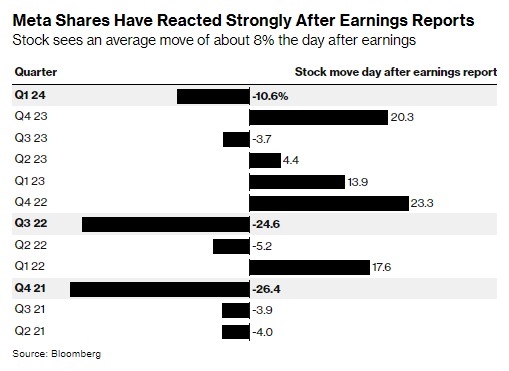
Here are some of the key differences between these markets:
Regulatory Oversight: Traditional exchanges like the NYSE and NASDAQ are subject to strict regulatory oversight, ensuring investor protection. The OTC markets have less oversight, which can be a double-edged sword.
Listing Requirements: The NYSE and NASDAQ have stringent listing requirements, which means only the most established and profitable companies can list. The OTC markets have more lenient requirements, making them accessible to a wider range of companies.
Investment Opportunities: The NYSE and NASDAQ offer a wide range of investment opportunities, from blue-chip stocks to high-growth tech companies. The OTC markets offer a broader range of companies, including small-cap and emerging startups.
Trading Hours: Traditional exchanges operate during regular trading hours, typically from 9:30 AM to 4:00 PM Eastern Time. The OTC markets operate 24/7, offering more flexibility for investors.
Case Studies
Let's take a look at some case studies to understand the differences better:
Apple (AAPL): Apple is listed on the NASDAQ and is a prime example of a high-growth tech company. Its listing on the NASDAQ has provided it with access to a wide range of investors and has helped it grow exponentially.
IBM (IBM): IBM is listed on the NYSE and is a classic example of a blue-chip stock. Its listing on the NYSE has provided it with stability and a large shareholder base.
Amazon (AMZN): Amazon started its journey on the NASDAQ and later moved to the NYSE. Its listing on the NASDAQ helped it raise capital during its growth phase, while its move to the NYSE provided it with more stability and access to institutional investors.
Conclusion
Understanding the differences in US stock markets is crucial for investors looking to make informed decisions. Whether you're interested in stable blue-chip stocks or high-growth tech companies, each market offers unique opportunities. By understanding the nuances of these markets, you can effectively navigate the investment landscape and achieve your financial goals.
so cool! ()
last:How's the Dow Jones Doing? A Comprehensive Look at the Market Index
next:nothing
like
- How's the Dow Jones Doing? A Comprehensive Look at the Market Index
- Good Time to Buy US Stocks: Why Now is the Perfect Moment for Investors"
- Best Marijuana Stocks to Buy in the US: A Comprehensive Guide
- Maximizing ROI: A Deep Dive into CNN Data Markets
- Lightspeed POS US Stock Symbol: Unveiling the Key to Investment Success
- Understanding CNBC NASDAQ Futures: A Comprehensive Guide
- Understanding the Nike US Stock Price: A Comprehensive Analysis
- Closing Bell on Wall Street Today: Key Insights and Market Moves
- Do Foreigners Pay Taxes on U.S. Stocks? A Comprehensive Guide
- High Volatile US Stocks: Understanding the Risks and Rewards
- Maximize Your Investment Potential with Finance Yahoo Com Quotes
- Best Stocks for 2021: Top Picks for Investors
hot stocks
 IEA Global EV Outlook 2021: US Electric Vehicl
- IEA Global EV Outlook 2021: US Electric Vehicl"
- Best Performing US Stock Market Sectors in 202"
- Best Stocks to Invest in the US Now: Top Picks"
- Magnificent 7 US Stocks 2023 Performance: Top "
- Undervalued US Growth Stocks: Unlocking Hidden"
- Title: In-Depth Analysis of PNRA.O: A Comprehe"
- S&P 500 Inclusion Today: What You Need"
- Exploring the Era of 1950-60 US Rolling Stock:"
recommend
 Differences in US Stock Markets: A Comprehensi
Maximizing Returns with US Home Corporation St
Understanding the Stock Market Regulations in

Unlocking Potential: A Deep Dive into US Medic

Unveiling the Power of Altran Aricent: A Compr
Small Cap Stocks News US: The Ultimate Guide t
How Are U.S. Stocks Taxed in Canada?
Unlocking Opportunities with Penny Stock Broke
US-Iran War: How Stock Market Reacts

Canada Goose Stock US: A Comprehensive Guide t

Tech Stocks in US: A Comprehensive Guide to In

tags
-
AllegedNon-USOpenHolidaysDelekSmallPurchaseBYDEarthClosedGoldEssentialCanTomorrowLNGChineseComprehensUnderstaGrowingRareFuturesAprilHolSchwabManyJonesDefinitiofromIndianMFCDaysTotalFoodSixth-GenerBogleheFallCitizensNintendoDidListTimings100verutodshareamerican10miniliveShausaTarCleanasdaqequityratioTraPriLucrRegSmarspreadHoldingToOptCom2022UnveilinaverageUndertodayFuCorreTradETPharmacequantitativeGaFuturSustainaAvGuidWhisBroadcFindLloanEarningcolacoca us stocks silver etf games us stock
like
- Exploring the Current State of Crude Oil Stock"
- In-Depth Analysis of Sogo.k: Unveiling the Ful"
- Green Thumb Industries US Stock Price: A Compr"
- Should We Ban Chinese Companies from Buying U."
- How to Buy US Steel Stock: A Comprehensive Gui"
- Unlocking the Potential of Veeva Systems (VII)"
- Stocks Protected Against the US-China Trade Wa"
- Top 5 US Stocks to Buy Now: Smart Investments "
- Are US Bank Stocks a Buy?"
- Understanding HSBC US Stock Dividend Tax Impli"