you position:Home > us stock market today live cha > us stock market today live cha
Trump Tariffs Impact on the US Stock Market
 myandytime2026-01-23【us stock market today live cha】view
info:
The election of Donald Trump as the 45th President of the United States brought with it a wave of changes, both domestic and international. One of the most significant changes was the imposition of tariffs, which had a profound impact on the US stock market. This article delves into how Trump's tariffs affected the market, examining both the short-term and long-term consequences.
Introduction to Trump Tariffs
Donald Trump's presidency was marked by his "America First" policy, which aimed to prioritize US interests over those of other countries. One of the key aspects of this policy was the imposition of tariffs, which were meant to protect American industries from foreign competition and promote job growth in the country.
The Initial Impact
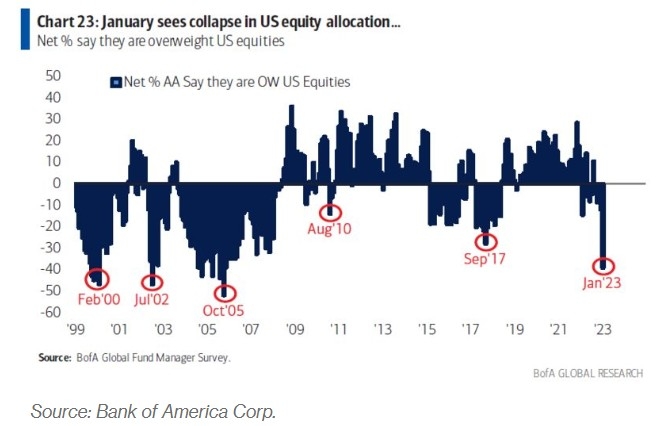
In the short term, the introduction of tariffs had a significant impact on the US stock market. Stock prices fell as investors grew concerned about the potential for higher costs and decreased demand for goods. The Dow Jones Industrial Average and the S&P 500 both experienced declines, with some sectors being hit harder than others.
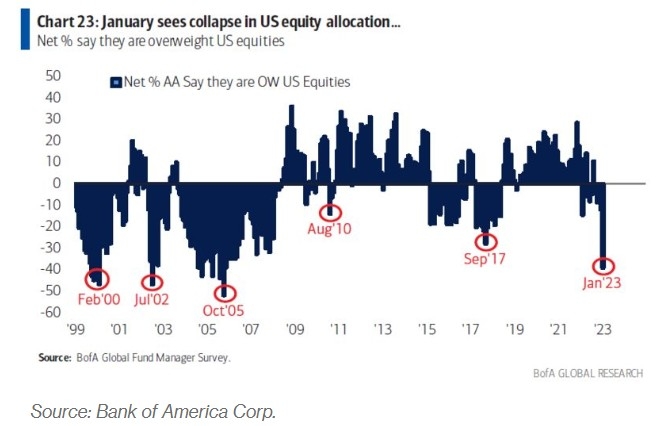
Specifically, companies that relied heavily on imports or exported goods to countries affected by the tariffs saw their stock prices fall. For instance, technology stocks such as Apple and Microsoft, which produce a significant portion of their products in China, saw their share prices decline. Similarly, automakers such as Ford and General Motors, which faced tariffs on steel imports, also saw their stocks fall.
Long-Term Consequences
Despite the initial volatility, the long-term impact of Trump's tariffs on the US stock market has been more nuanced.
- Diversification of Supply Chains: In response to the tariffs, many companies have started to diversify their supply chains. This shift has led to increased investment in manufacturing facilities in countries such as Vietnam and Mexico. While this has led to some job creation, it has also created uncertainty in the market.
- Rising Costs: The tariffs have also led to increased costs for companies. These costs have been passed on to consumers in the form of higher prices for goods. This has, in turn, led to decreased consumer spending and further volatility in the stock market.
- Trade Negotiations: The tariffs have also sparked negotiations between the US and other countries. While some agreements have been reached, others remain unresolved. This uncertainty has continued to impact the market.
Case Studies
- Walmart: As one of the largest importers of goods from China, Walmart faced significant challenges due to the tariffs. However, the company has taken steps to diversify its supply chain and mitigate the impact of the tariffs on its stock prices.
- Tesla: Tesla, which assembles its cars in the US but imports a significant amount of components from China, saw its stock prices decline initially. However, the company has taken steps to increase its manufacturing capabilities in the US, which may mitigate the impact of the tariffs in the future.
Conclusion
The impact of Trump's tariffs on the US stock market has been significant and complex. While the initial reaction was negative, the long-term consequences have been more nuanced. The market's response to the tariffs continues to evolve, with companies and investors navigating the changing landscape. As trade negotiations and economic policies continue to evolve, the stock market will likely remain a barometer of the impact of these policies.
so cool! ()
last:Is the Stock Market in the US Closed Today? Everything You Need to Know
next:nothing
like
- Is the Stock Market in the US Closed Today? Everything You Need to Know
- How to Invest in Volkswagen Stock in the US: A Step-by-Step Guide
- Stock Futures Premarket: Unveiling the Pre-Market Trading Opportunities"
- How to Buy Daimler Stock in the US: A Comprehensive Guide
- Stock Market Trend Analysis: Predictions and Insights for 2023
- The Cheapest Stock in the US Market: How to Find It and Why It Matters"
- How Many Points Did the Dow Go Up Today? A Comprehensive Analysis
- Historic Impact of US Presidential Elections on the Stock Market
- CNR US Stock: Everything You Need to Know"
- Dow Futures CNN - Google Search: Your Ultimate Guide to Stock Market Insights
- New Stock Exchange: Revolutionizing the Financial Landscape
- Samsung Stock Price Today: Key Insights and Analysis
hot stocks
 Unlocking Potential: Exploring US Small Cap Bi
- Unlocking Potential: Exploring US Small Cap Bi"
- Top US Stock to Buy: Unveiling the Ultimate In"
- "5 Crucial Things to Know Before Trad"
- Can Indian Citizens Trade in the US Stock Mark"
- US Bank Corp Stock Price Today: Key Insights a"
- US Made L1A1 Stock Set: The Ultimate Upgrade f"
- Best Performing US Stocks Past 5 Days: Momentu"
- Top 10 Dividend Stocks in the US: Secure Your "
recommend
 Trump Tariffs Impact on the US Stock Market
Fastest Growing US Small Cap Stocks: Unveiling

Maximizing Returns: The Ultimate Guide to Unde

Trade Japanese Stocks in US SEC: A Comprehensi

Can You Buy Canadian Back Stocks in the US? A

Graphene US Stock: A Game-Changer for the Futu
Is the Dow Jones Up? A Comprehensive Guide to
Weekly Market Update: Key Insights and Trends
iShares US Infrastructure ETF Stock: A Compreh

Car Stocks: The US Market's Booming Oppor
Stocks That Are Down Right Now to Buy: Smart I

tags
-
AllegedNon-USOpenHolidaysDelekSmallPurchaseBYDEarthClosedGoldEssentialCanTomorrowLNGChineseComprehensUnderstaGrowingRareFuturesAprilHolSchwabManyJonesDefinitiofromIndianMFCDaysTotalFoodSixth-GenerBogleheFallCitizensNintendoDidListTimings100verutodshareamerican10miniliveShausaTarCleanasdaqequityratioTraPriLucrRegSmarspreadHoldingToOptCom2022UnveilinaverageUndertodayFuCorreTradETPharmacequantitativeGaFuturSustainaAvGuidWhisBroadcFindLloanEarningcolacoca us stocks silver etf games us stock
like
- Today's NASDAQ Stocks: A Deep Dive into M"
- Buying from Us Stock for a Swimsuit: Your Ulti"
- Top Momentum Stocks Past 5 Days: A Deep Dive i"
- "Average Amount of Stock Owned by U.S"
- Unveiling the Powerhouse of US High-Growth Sto"
- S&P 500 Rate of Return Year to Date: A"
- Stock Market Chart: Understanding the Dow Jone"
- Samsung US Stock Exchange: A Comprehensive Gui"
- Best US Stocks by Sector 2025: Top Picks for I"
- Byddy Us Stock: Unlocking the Potential of Sto"