you position:Home > us stock market today > us stock market today
Stocks Diving: Understanding the Dive and How to Navigate It
 myandytime2026-01-23【us stock market today live cha】view
info:
In the volatile world of the stock market, the term "stocks diving" refers to a rapid and significant drop in the value of stocks. This can be a cause for concern for investors, but understanding what causes these dives and how to navigate them can help mitigate risks. In this article, we'll explore the factors behind stocks diving and provide some strategies for investors to stay afloat.
What Causes Stocks to Dive?
Economic Downturns: Economic instability, such as a recession or a financial crisis, can lead to a dive in stock prices. When businesses anticipate lower demand for their products or services, they may cut back on spending, which can negatively impact their stock value.
Negative News and Rumors: False or misleading information can spread quickly, causing panic and a dive in stock prices. This can happen when companies release negative news or when rumors of impending problems circulate.
High Market Volatility: The stock market can be unpredictable, with prices fluctuating rapidly. High volatility can lead to stocks diving as investors react to market movements.
Excessive Leverage: Companies that use high levels of debt to finance their operations can be more vulnerable to dives in stock prices. If a company faces financial difficulties, its debt can become a burden, leading to a dive in its stock.
Strategies for Navigating Stock Dives
Diversify Your Portfolio: Diversifying your investments across various sectors and asset classes can help mitigate the impact of a dive in any single stock or sector.
Stay Informed: Keep up-to-date with news and analysis to understand the reasons behind stock dives. This knowledge can help you make informed decisions about your investments.
Avoid Emotional Reactions: It's natural to feel anxious or fearful when your stocks dive, but making decisions based on emotion can lead to poor investment choices. Stay calm and stick to your investment strategy.
Review Your Risk Tolerance: Regularly assess your risk tolerance to ensure it aligns with your investment goals and time horizon.
Consider Buying on the Dip: Sometimes, stocks dive for reasons that don't reflect the underlying fundamentals of the company. If you believe a stock's dive is temporary, consider buying on the dip to take advantage of the lower price.
Case Studies
To illustrate the impact of stock dives, consider the following case studies:
Enron Scandal: In 2001, Enron, once one of the largest energy companies in the world, filed for bankruptcy after its executives were caught manipulating financial statements. This led to a dive in the stock price, and investors lost billions.
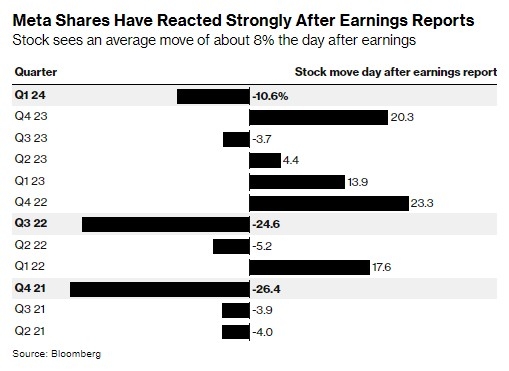
Facebook's IPO Controversy: When Facebook went public in 2012, the stock opened at
38 per share. However, within a few months, it had plummeted to 17. The dive was attributed to concerns about Facebook's growth prospects and regulatory scrutiny.

Conclusion
Stocks diving can be a challenging aspect of investing, but by understanding the causes and employing effective strategies, investors can navigate these turbulent waters. Remember to diversify, stay informed, and avoid emotional reactions to make informed investment decisions.
so cool! ()
last:Cresco Labs US CBD Stocks: The Emerging Market to Watch
next:nothing
like
- Cresco Labs US CBD Stocks: The Emerging Market to Watch
- How Long Has the US Stock Market Been Around?
- Maximizing Profits: A Deep Dive into NYSE Stock Prices"
- Unlocking the Potential of Dou Jones: A Comprehensive Guide
- Berenberg US Stock Picker: Unveiling the Expertise and Insights
- Best US Bank Stocks to Watch in 2021: Top Picks for Investment
- Monthly Market Review: Key Insights and Trends
- Dow Jones Average 2015: A Look Back at the Year's Financial Highlights
- Chart Day: How to Master Your Digital Analytics
- Where Is the Stock Market Heading? A Comprehensive Analysis
- Dow Market Close: A Comprehensive Guide to Understanding the Daily Closing of the
- Unlocking Opportunities: The Potential of Oil Stocks in the US"
hot stocks
 Maximizing Returns: Exploring General Electric
- Maximizing Returns: Exploring General Electric"
- US Copper Stocks to Buy: Top Picks for Investo"
- Meip-US Stock Price: A Comprehensive Analysis"
- Ammunition Stocks: The Comprehensive Guide for"
- Buying US Stocks as a Foreigner: A Comprehensi"
- Monthly US Dividend Stocks: Your Guide to Cons"
- http stocks.us.reuters.com stocks fulldescript"
- US Pre-Market Stock: A Comprehensive Guide to "
recommend
Stocks Diving: Understanding the Dive and How 
50x70x10 HMSA10 V US Stock Number 564147: Unve
Invest Stocks US: Your Ultimate Guide to Succe
Maximizing Profits: A Deep Dive into NYSE Stoc

Understanding the Impact of US Stock Buybacks
Unlocking the Secrets of Stock Selection: A Co

Dow Market Close: A Comprehensive Guide to Und
Title: Best US Stocks for Swing Trading: Top P

Unlocking the Potential of US Large-Cap Stock
Does the U.S. Government Own Stocks? Unveiling
Stock Market Change Since Trump Took Office: A

tags
-
AllegedNon-USOpenHolidaysDelekSmallPurchaseBYDEarthClosedGoldEssentialCanTomorrowLNGChineseComprehensUnderstaGrowingRareFuturesAprilHolSchwabManyJonesDefinitiofromIndianMFCDaysTotalFoodSixth-GenerBogleheFallCitizensNintendoDidListTimings100verutodshareamerican10miniliveShausaTarCleanasdaqequityratioTraPriLucrRegSmarspreadHoldingToOptCom2022UnveilinaverageUndertodayFuCorreTradETPharmacequantitativeGaFuturSustainaAvGuidWhisBroadcFindLloanEarningcolacoca us stocks silver etf games us stock
like
- Stock Market Outlook: October 2025 - US Market"
- How Much Tax on US Stock Gains: A Comprehensiv"
- Citibank Buys US Stocks: A Strategic Move for "
- "Trump's Tariff Threats Cause Wi"
- Can I Buy HK Stocks in the US? A Comprehensive"
- How Much Is US Bank Stock Worth?"
- "Best US Stock Index: Your Ultimate G"
- How Much Is an Amazon Stock Worth Today?"
- Best Small US Stocks to Buy: Top Picks for Inv"
- Understanding How US Elections Impact the Stoc"