you position:Home > stock coverage > stock coverage
Historical Stocks: Unveiling the Past for a Profitable Future
 myandytime2026-01-23【us stock market today live cha】view
info:
In the world of investing, understanding historical stocks can be a game-changer. By delving into the past performance of companies, investors can make informed decisions that pave the way for financial success. This article explores the importance of historical stocks and how they can be leveraged for a profitable future.
The Power of Historical Data
Historical stocks provide a wealth of information about a company's performance over time. By analyzing this data, investors can identify trends, patterns, and potential red flags that may not be evident in current market conditions. This is particularly crucial for long-term investors who aim to capitalize on market cycles and capitalize on undervalued assets.
Identifying Trends
One of the key benefits of historical stocks is the ability to identify long-term trends. By examining a company's stock price over the years, investors can gain insights into its growth potential and resilience during market downturns. For example, a company with a consistent upward trend in stock prices may indicate a strong business model and potential for future gains.
Evaluating Risk
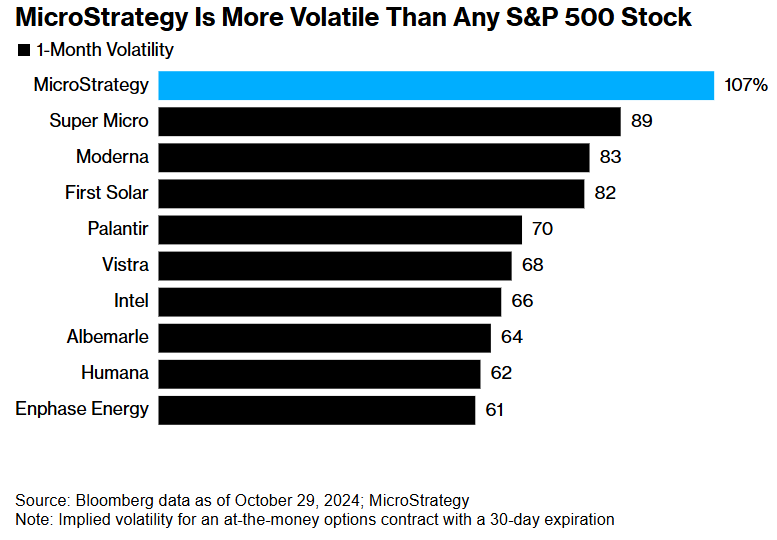
Understanding the historical performance of a company is crucial for assessing its risk profile. Companies with volatile stock prices may be more prone to market fluctuations, making them riskier investments. On the other hand, companies with stable and predictable stock prices may offer a more secure investment opportunity.
Case Studies
Let's consider a few real-world examples to illustrate the value of historical stocks:
Apple Inc. (AAPL): Over the past decade, Apple's stock price has seen significant growth, reflecting the company's successful expansion into new markets and product lines. Investors who had the foresight to invest in Apple's historical stocks would have seen substantial returns.
Amazon.com Inc. (AMZN): Amazon's stock has experienced both rapid growth and periods of volatility. By analyzing the company's historical stock data, investors could identify the periods of volatility and take advantage of dips in stock price to increase their position.
Tesla, Inc. (TSLA): Tesla's stock has been highly volatile, with periods of explosive growth followed by significant declines. Understanding this volatility can help investors make informed decisions about when to enter or exit the stock.
Leveraging Historical Data
To effectively leverage historical stocks, investors should:
- Conduct thorough research: Analyze a company's financial statements, earnings reports, and market trends to gain a comprehensive understanding of its historical performance.
- Utilize technical analysis: Use charts and indicators to identify patterns and trends in a company's stock price.
- Stay informed: Keep up-to-date with industry news and events that may impact a company's future performance.
Conclusion
In conclusion, historical stocks are a valuable tool for investors looking to make informed decisions and achieve long-term financial success. By understanding a company's past performance and identifying trends, investors can better navigate the complexities of the stock market and capitalize on opportunities for growth. So, the next time you consider investing in a stock, don't overlook the power of historical data.
so cool! ()
like
- S&P 500 Percentage of US Stock Market Capitalization in 2025: A Comprehen
- Live with Quotes: Transforming Your Life with Inspirational Words
- Share Market on Today: Key Developments and Insights"
- US Stock Market 2025: A Comprehensive Guide to Holiday Trading Hours
- Exploring the Full Description of KMI Stocks: A Comprehensive Analysis
- Unlocking Success: The Thriving World of NASDAQ Companies
- S&P YTD Gain: A Comprehensive Look at the Year-to-Date Performance
- How Many US Stock Markets Are There?
- "No Market Today": Understanding the Impact and Strategies
- US Stock Indexes Edge Lower: What It Means for Investors"
- Stock Market Dynamics: A Decade-by-Decade Analysis of the Last 50 Years"
- Unlock the Power of Investment Wisdom: Top 10 Must-Have Quotes
hot stocks
 IEA Global EV Outlook 2021: US Electric Vehicl
- IEA Global EV Outlook 2021: US Electric Vehicl"
- Best Performing US Stock Market Sectors in 202"
- Best Stocks to Invest in the US Now: Top Picks"
- Magnificent 7 US Stocks 2023 Performance: Top "
- Undervalued US Growth Stocks: Unlocking Hidden"
- Title: In-Depth Analysis of PNRA.O: A Comprehe"
- S&P 500 Inclusion Today: What You Need"
- Exploring the Era of 1950-60 US Rolling Stock:"
recommend
 Historical Stocks: Unveiling the Past for a Pr
Closing Time: Understanding the US Stock Marke
Best US Brokers for Stocks: Your Ultimate Guid
Maximizing Returns with US Home Corporation St
Best US Cannabis Stock: How to Invest in the G

US Stock Futures After Hours: Unveiling the In

Ianthus Stock Price: A Comprehensive Analysis
"Google's US Stock Performance:
European vs. US Stocks: Key Differences and In
US Government Shutdown Impact on Indian Stock

"BZ US Stock: The Ultimate Guide to I

tags
-
AllegedNon-USOpenHolidaysDelekSmallPurchaseBYDEarthClosedGoldEssentialCanTomorrowLNGChineseComprehensUnderstaGrowingRareFuturesAprilHolSchwabManyJonesDefinitiofromIndianMFCDaysTotalFoodSixth-GenerBogleheFallCitizensNintendoDidListTimings100verutodshareamerican10miniliveShausaTarCleanasdaqequityratioTraPriLucrRegSmarspreadHoldingToOptCom2022UnveilinaverageUndertodayFuCorreTradETPharmacequantitativeGaFuturSustainaAvGuidWhisBroadcFindLloanEarningcolacoca us stocks silver etf games us stock
like
- Stocked Cheese US: A Comprehensive Guide to th"
- Disney Stock: The Ultimate Guide to Investing "
- Unlocking the Potential of Overseas Markets Fu"
- Exploring the Booming US Shroom Stocks: A Comp"
- Unlocking High Yield Monthly Dividend Stocks i"
- Do Foreigners Pay Taxes on U.S. Stocks? A Comp"
- Is Putin Manipulating Us Stock Market?&quo"
- "Number of U.S. Households Investing "
- T-Mobile US Inc Stock Price: A Comprehensive A"
- Cancer Drug Company Accuses US Market Makers o"