you position:Home > us stock market today > us stock market today
Should You Invest in Only US Stocks?
 myandytime2026-01-19【us stock market today live cha】view
info:
Investing in stocks is a key component of building wealth, but the question of whether to focus solely on U.S. stocks is a common one. This article delves into the pros and cons of investing in only U.S. stocks, offering insights to help you make an informed decision.
Understanding Diversification
One of the primary reasons investors consider diversifying their portfolios is to mitigate risk. Diversification involves spreading your investments across various asset classes, sectors, and geographical regions. By doing so, you can reduce the impact of any single market's fluctuations on your overall portfolio.
Pros of Investing in U.S. Stocks
- Economic Stability: The U.S. has a stable economy with a strong regulatory framework, which can be appealing for investors looking for reliability.
- Market Size: The U.S. stock market is the largest in the world, offering a wide range of investment opportunities across various sectors.
- Technology and Innovation: The U.S. is a hub for technological innovation, with many leading companies in the tech sector, such as Apple, Microsoft, and Google.
- Regulatory Environment: The U.S. has a well-established regulatory environment that protects investors and promotes fair trading practices.
Cons of Investing in Only U.S. Stocks
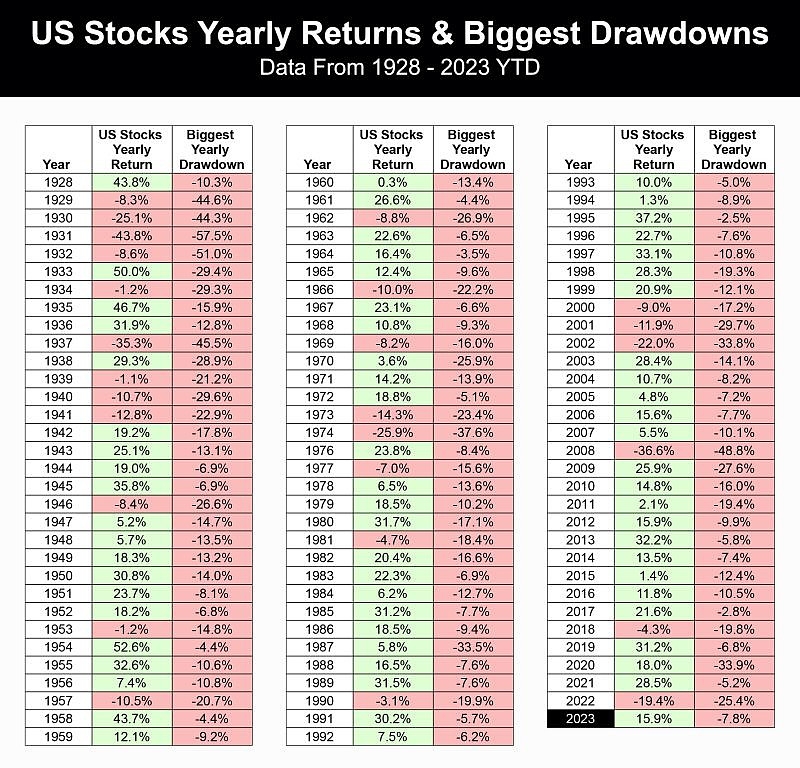
- Market Volatility: While the U.S. market is generally stable, it can experience volatility, especially during economic downturns.
- Currency Risk: Investing in U.S. stocks exposes you to currency fluctuations if you're investing from a different country.
- Limited Growth Opportunities: By focusing solely on U.S. stocks, you may miss out on the growth potential of emerging markets and other developed countries.

Diversification and Global Opportunities
Many financial experts recommend diversifying your portfolio to include stocks from various countries and sectors. This approach can help you capitalize on the strengths of different markets and reduce the risk of being heavily exposed to any single market.
Case Study: International Diversification
Consider the case of a hypothetical investor who decided to invest only in U.S. stocks. During the 2008 financial crisis, this investor's portfolio suffered significant losses due to the market downturn. However, another investor who had diversified their portfolio to include international stocks experienced less severe losses.
Conclusion
While investing in U.S. stocks can be a solid strategy, it's important to consider the potential drawbacks. Diversifying your portfolio can help you mitigate risk and capitalize on opportunities in various markets. Ultimately, the decision to invest in only U.S. stocks should be based on your investment goals, risk tolerance, and market research.
so cool! ()
like
- US Stock Market Outlook for August 12, 2025: What to Expect
- Best Momentum Stocks in the US Market: Top 5 Picks for the Next 5 Days
- Us Cellular Stock Price Today: A Comprehensive Analysis
- The Best Way to Short the US Stock Market: A Comprehensive Guide
- RIL Stock in US: A Comprehensive Guide to Investing in Reliance Industries
- "Uncover the Hidden Gems: Top US Cheap Stocks to Invest In"
- Exploring Non-Dividend Paying US Stocks: Opportunities and Risks
- Is the US Stock Market Open on April 6, 2025? Everything You Need to Know
- Is It Good to Invest in US Stocks? A Comprehensive Guide
- Evergrande US Stock: The Inside Story of a Major Real Estate Giant's Journey
- Novo Nordisk US Stock: A Comprehensive Analysis of the Leading Diabetes Care Gian
- Lowest Stock Availability: Understanding the Current US Market Landscape
hot stocks
 Maximizing Returns: Exploring General Electric
- Maximizing Returns: Exploring General Electric"
- US Copper Stocks to Buy: Top Picks for Investo"
- Meip-US Stock Price: A Comprehensive Analysis"
- Ammunition Stocks: The Comprehensive Guide for"
- Buying US Stocks as a Foreigner: A Comprehensi"
- Monthly US Dividend Stocks: Your Guide to Cons"
- http stocks.us.reuters.com stocks fulldescript"
- US Pre-Market Stock: A Comprehensive Guide to "
recommend
 US Stock Market Outlook for August 12, 2025: W
US President News Impact Stock Market: A Look
Can I Buy US Stocks in Australia? A Comprehens

Is the US Stock Market Up or Down?

How High Will the US Stock Market Go? A Compre
Understanding US Stock Market Bear Markets
How Much Is an Amazon Stock Worth Today?

Unlocking the Potential of Lock.K: A Deep Dive
"Geopolitical Events Shaping the US S

Black Friday US Stock Market: A Comprehensive

Barclays Capital US Aggregate Bond Index: Stoc

tags
-
AllegedNon-USOpenHolidaysDelekSmallPurchaseBYDEarthClosedGoldEssentialCanTomorrowLNGChineseComprehensUnderstaGrowingRareFuturesAprilHolSchwabManyJonesDefinitiofromIndianMFCDaysTotalFoodSixth-GenerBogleheFallCitizensNintendoDidListTimings100verutodshareamerican10miniliveShausaTarCleanasdaqequityratioTraPriLucrRegSmarspreadHoldingToOptCom2022UnveilinaverageUndertodayFuCorreTradETPharmacequantitativeGaFuturSustainaAvGuidWhisBroadcFindLloanEarningcolacoca us stocks games silver etf us stock
like
- "Us Food Delivery Stocks: A Comprehen"
- Bayer Stock Price: What You Need to Know"
- Novo Nordisk US Stock: A Comprehensive Analysi"
- Meip-US Stock Price: A Comprehensive Analysis"
- AI Penny Stocks Under $1 US: A Guide for Inves"
- Stocks and US Dollar Are Tanking: What It Mean"
- List of Marijuana US Stocks: Your Ultimate Gui"
- Top Endo International US Pharma Stocks to Wat"
- GKN Stock Price in US Dollars: What You Need t"
- CBD Stocks US: The Future of Wellness Investin"