you position:Home > can foreigners buy us stocks > can foreigners buy us stocks
US Interest Rate Cut Impact on Japanese Stocks: A Comprehensive Analysis
 myandytime2026-01-19【us stock market today live cha】view
info:
The recent US interest rate cut has sparked considerable interest among investors, particularly those with stakes in Japanese stocks. This article delves into the potential impacts of the rate cut on Japanese equities, analyzing both the opportunities and risks involved.
Understanding the US Interest Rate Cut
In March 2023, the US Federal Reserve announced its first interest rate cut in over a decade. The decision to lower the federal funds rate from 2.25% to 2.00% was driven by concerns over slowing economic growth and inflation. The move was widely anticipated by financial markets and has since had ripple effects across the global economy.
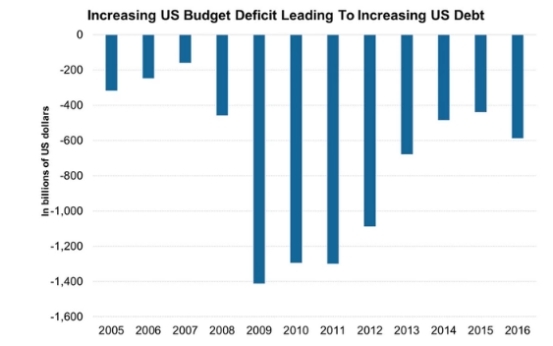
How the Rate Cut Impacts Japanese Stocks
The US interest rate cut can have several implications for Japanese stocks, including:
1. Yen Depreciation
A lower US interest rate tends to weaken the US dollar, making the Japanese yen stronger. This can have a positive impact on Japanese exporters, as it makes their goods cheaper for foreign buyers. Companies like Toyota, Sony, and Panasonic, which generate a significant portion of their revenue from overseas sales, could benefit from this scenario.
2. Increased Foreign Investment
Lower US interest rates can make investments in higher-yielding assets, such as Japanese stocks, more attractive. This can lead to an increase in foreign investment in Japanese markets, boosting stock prices.
3. Impact on Corporate Profits
US interest rate cuts can also have a direct impact on corporate profits. A lower cost of borrowing can lead to increased capital expenditures and investments, potentially boosting earnings for Japanese companies.
4. Risk of Inflation
While a rate cut can stimulate economic growth, it also raises concerns about inflation. If inflation were to rise significantly, it could erode the purchasing power of investors and negatively impact stock prices.
Case Studies
Case 1: Toyota Motor Corporation
Toyota's stock price has seen a significant uptick since the US interest rate cut. This can be attributed to the yen's depreciation, which has made Toyota's vehicles cheaper for foreign buyers. The company's revenue from overseas sales has been on the rise, contributing to its improved financial performance.
Case 2: Sony Corporation
Sony has also benefited from the US interest rate cut. The depreciation of the yen has made Sony's electronic products more affordable for international consumers, leading to increased sales and higher revenue.
Conclusion
The US interest rate cut has the potential to positively impact Japanese stocks, particularly for companies with significant overseas exposure. However, investors must remain vigilant about the risks associated with inflation and other economic uncertainties. As always, it is crucial to conduct thorough research and consult with a financial advisor before making investment decisions.
so cool! ()
like
- Upgrade Your AT&T Stock Alcatel 5041c with the Perfect ROM
- US Stock Calendar 2021: Key Dates and Events You Can't Miss
- Maximizing Returns with US Direct B Stock Investing
- Buy Us Stocks from Overseas: A Guide to Global Investment Opportunities
- How Did the US Stock Market Close Today? A Comprehensive Summary
- Unlocking Investment Opportunities: US Companies on the London Stock Exchange
- "radient technologies stock us: A Deep Dive into RTK's Market Perfo
- Kirkland Lake Gold Stock Price: A Deep Dive into the US Market
- "Top US Integrated Energy Industry Stocks to Watch in 2023"
- "In-Depth US Bancorp Stock Analysis: Potential Gains and Risks"
- Stock Market Performance During the 2016 US Election: Unraveling the Dynamics
- US Senators Stocks: The Intriguing Connection
hot stocks
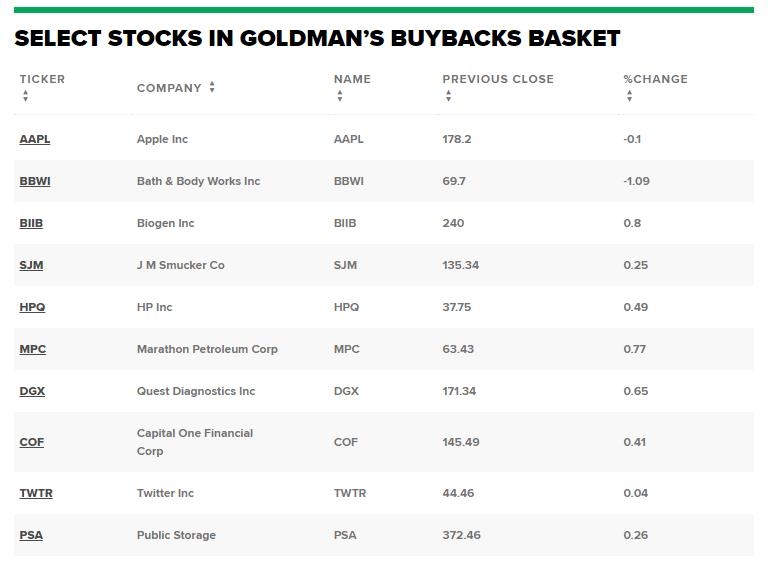 Pre-Market US Stock Movers: Key Insights and A
- Pre-Market US Stock Movers: Key Insights and A"
- Among Us Christmas Stockings: Uniquely Celebra"
- Samsung Note 12.2 P900 Stock ROM US: A Compreh"
- Total Market Capitalization of US Stocks: A Co"
- "Unveiling the Excitement of US New S"
- Buy Stocks Outside US: A Guide to Global Inves"
- Best Widow and Orphan Stocks in the US Now: To"
- Unlocking the Potential of US Industrials Stoc"
recommend
 Upgrade Your AT&T Stock Alcatel 5041c
Understanding the US OTC Stock Market: A Compr

Trump's Tariff Exemptions Boost US Stocks

Is Samsung Stock Traded in the US?
How to Find New IPO Stocks in the US: Your Ult

Stocks in US Today: Top Picks and Market Trend

Minimum Investment in US Stock Market: Strateg
Best Momentum Stocks US Large Cap October 2024
Exploring the Labu US Stock Market: Opportunit
"Ring Fit Adventure: Unveiling the US

1917 US Rifle Stock 3-GMK Inspector: A Compreh

tags
-
AllegedNon-USOpenHolidaysDelekSmallPurchaseBYDEarthClosedGoldEssentialCanTomorrowLNGChineseComprehensUnderstaGrowingRareFuturesAprilHolSchwabManyJonesDefinitiofromIndianMFCDaysTotalFoodSixth-GenerBogleheFallCitizensNintendoDidListTimings100verutodshareamerican10miniliveShausaTarCleanasdaqequityratioTraPriLucrRegSmarspreadHoldingToOptCom2022UnveilinaverageUndertodayFuCorreTradETPharmacequantitativeGaFuturSustainaAvGuidWhisBroadcFindLloanEarningcolacoca us stocks games silver etf us stock
like
- Pre-Market US Stock Movers: Key Insights and A"
- Fear and Greed Index: A Key Indicator for the "
- Unlocking the Potential of Enphase Energy: A D"
- Unlocking the Potential of the BNY Mellon US S"
- In-Depth Analysis of 002293.SZ: A Look into th"
- Good US Stocks to Buy: Top Picks for Investors"
- Top Performing US Stock Sectors in 2025: A Com"
- Understanding the Stock Market Abbreviation fo"
- Is Eagle Pharmaceuticals Listed on US Stock Ma"
- Small Cap Biotech US Stocks List: Your Guide t"